Navigating the Human Side of the AI Transition

The Code is Rarely the Hardest Part
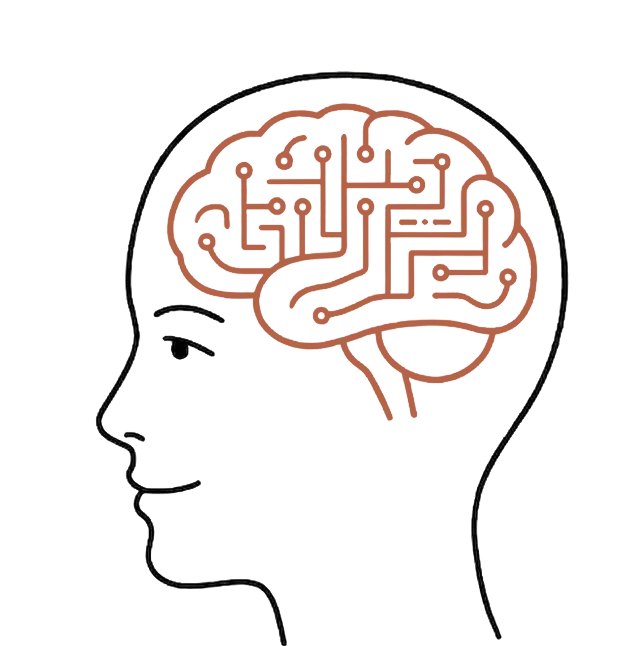
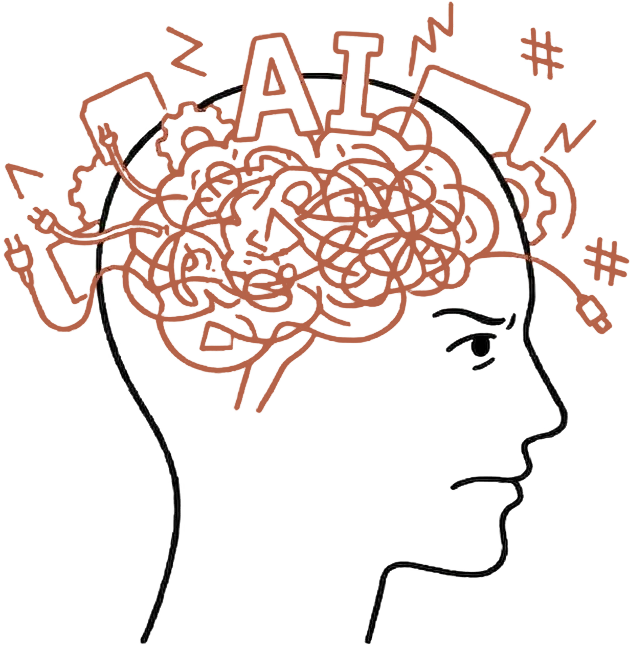
A mind overwhelmed by the noise of the AI transition A mind that has made sense of the AI transition

The AI transition has a technical side everyone is managing. It also has a human side that's much harder to tackle: roles blur, people stop trusting decisions, and teams can't realign as fast as the tools change. What's slowing you down won't show up in a code review.

That's our work with you: staying in the technical argument, surfacing what's driving it, and moving your team forward.

Let's talk

The tools change in weeks. People realign over months. That gap is where the real work is.

Our approach

Both halves of the problem

Both halves means two capabilities in the same conversation: technical credibility and organizational insight. We teach more than we pitch and lead with questions, because what you're buying is our judgment in the room — working the problem with you in real time.

Read more

About us

Two careers, one practice

We're Philipson Abadi, a partnership built on shared clients, shared judgment, and decisions made together. We each bring 25+ years of hands-on engineering leadership and architecture, and we still write code ourselves — across distributed systems, ML, storage, and embedded software. We've led teams through the kind of transition you're currently facing.

More about us
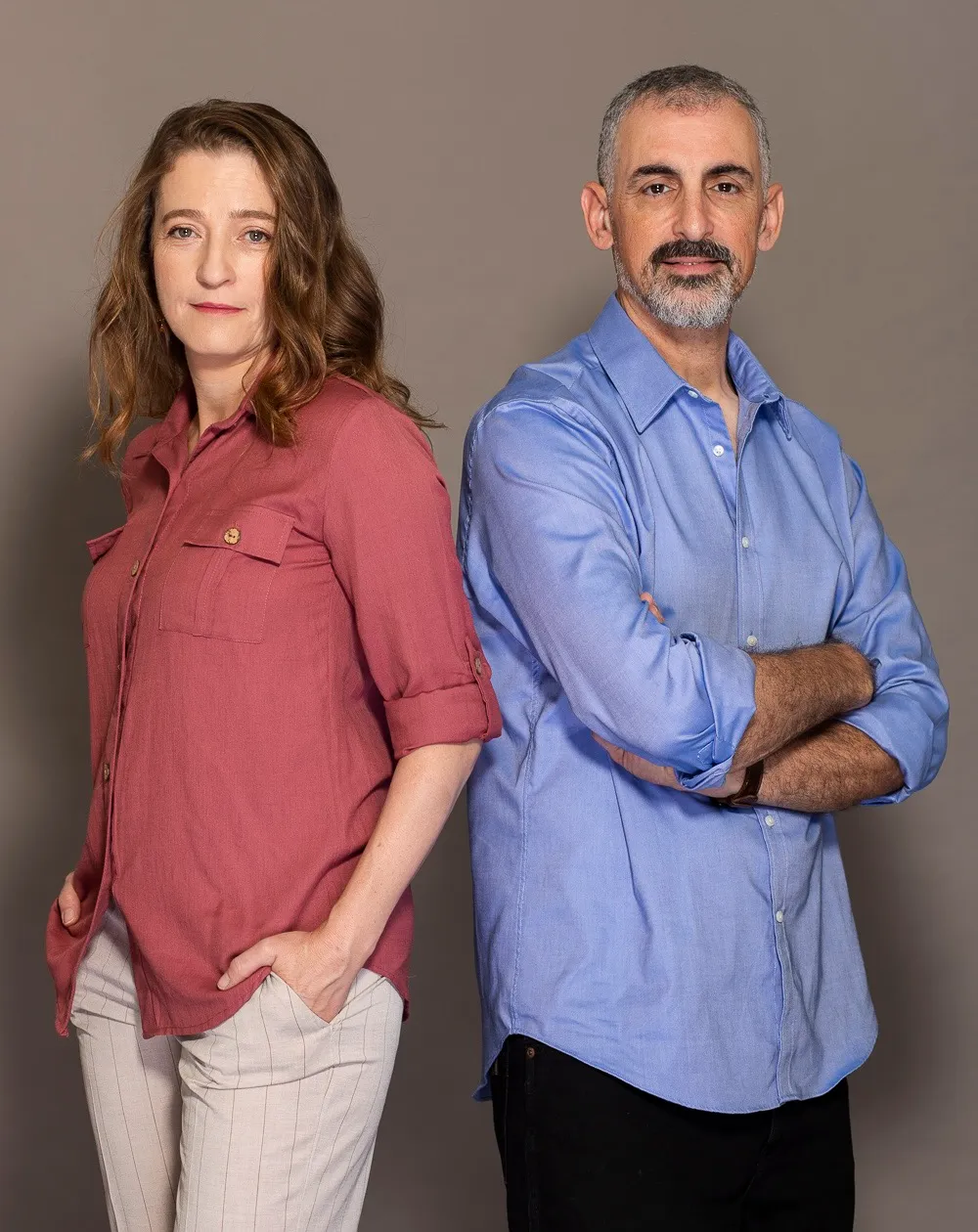
Moria Abadi and Gavrie Philipson

Who we worked with

Redis

Gavrie Philipson (Software Architect) & Moria Abadi (Team Lead & Product Owner) · 2018–2025

We were both at Redis as it scaled hardest — one of us architecting across teams, the other leading a core team under constant production pressure, tens of thousands of live databases. What stayed with us wasn’t the code. It was how teams hold together when the system can’t go down, and how you move people onto new practices when no one has time to stop. We saw the same company from two seats — part of why we trust each other’s read now.

Ultima Genomics

Gavrie Philipson · Principal Architect · 2022–2024

At Ultima the hard part wasn’t the pipelines — it was that backend, frontend, ML, and data-science engineers were effectively speaking different languages and drifting into silos. I spent as much time building a shared vocabulary as writing code, so people could collaborate instead of talking past each other. Most of what we do now is a version of that: getting groups who each think they’re right to understand each other.

Enigma MPC (now SCRT Labs)

Moria Abadi · Team Lead · 2018–2020

Enigma was an early-stage startup with no real development process and a team that needed to grow fast. I built the process from scratch and, harder, built a culture where people felt safe to lead and to disagree openly. Seeing how fragile and how decisive that culture was taught me how much of a team’s output comes down to whether people trust each other — which is where I start now.

Elbit Systems

Moria Abadi · Software Engineer · 2000–2009

At Elbit I spent years bringing object-oriented methods into real-time defense products — into an engineering culture with deep, established habits. The technical case was the easy part. The real work was helping experienced engineers adopt a way of working they hadn’t chosen, without making them feel overruled. That’s the same challenge behind most “resistance” I’m called in for today.

Sunbit

Gavrie Philipson · Independent advisor · 2017–2018

Sunbit needed a real-time platform to capture every purchase as it happened, and brought me in to architect it — which meant making the case for technologies the team hadn’t used, like Kotlin and Kafka Streams. New technology is rarely the hard part; getting a team to trust it is. I proved it in a proof of concept, then wrote production code alongside them until it was theirs, not mine.

Line5

Gavrie Philipson · Independent advisor (Rusty Bits) · 2025–2026

Line5 builds physical AI — robots running computer vision in the field. I joined the early team as an architect, from the GPU vision pipeline to the call on whether to build on ROS, or a lighter layer like Zenoh. The harder problem was human: backend, frontend, and ML engineers, each with their own standards, barely agreeing on what good code looked like. So I built shared ground — common libraries, shared data types, and coding standards that held for the AI coding agents I brought onto the team as much as for the people. That’s what keeps a field robot debuggable when something breaks.

Band

Gavrie Philipson · Independent advisor (Rusty Bits) · 2025–2026

Band builds infrastructure for AI agents to talk to each other; I came in as a software architect, consulting on specific problems — prototyping with advanced AI coding agents, including how to scale their database across many nodes. But the CTO also pulled me into something harder: an engineer who wasn’t delivering, no manager between them, a breakdown where each felt unheard. I gave them a straight read — skills gap or communication gap — then helped them hire the manager the team had been missing. Being credible in their code is what made the read on their people land.

Client Stories

The situations we help with

A team adopts AI aggressively and splits into camps — the change is winning, but the trust isn't.

Senior engineers resist an AI rollout; leadership calls it obstruction, the engineers call it professional judgment.

Process is changing faster than roles are, and the people most uncertain about their place are the ones you most need to keep.

Read the stories

Services

If you want your team realigned, your senior engineers on board, and the technical arguments actually settled — that starts with a conversation.

Let's talk